How We Build Prompt Engineering for Avondale
The first step is identifying which text-generating tasks in your operation are consistent enough in structure to be automated reliably. Not every writing task benefits from AI assistance. Tasks with highly variable creative requirements are poor candidates. Tasks with consistent structure, terminology requirements, and output format are excellent ones. A supplier inquiry is a good candidate. A unique customer relationship email written for a specific situation is not.
Once we identify the right candidates, we analyze the output standards. For a fabricator on Elston Avenue, that means reviewing their actual estimates and supplier documents to understand the terminology, the structure, the level of technical detail, and the tone they use. Those real examples become the ground truth for prompt development. We write prompts against your own documents, not against generic business writing standards.
Testing is where most prompt engineering value is built. A prompt that works on 80% of cases is a disappointment when the 20% failures show up in customer-facing documents. We test each prompt against a set of real scenarios, document where the output falls short, and iterate until the success rate is high enough to trust in production. For Avondale manufacturers producing technical documentation, that threshold is higher than it is for draft customer communications.
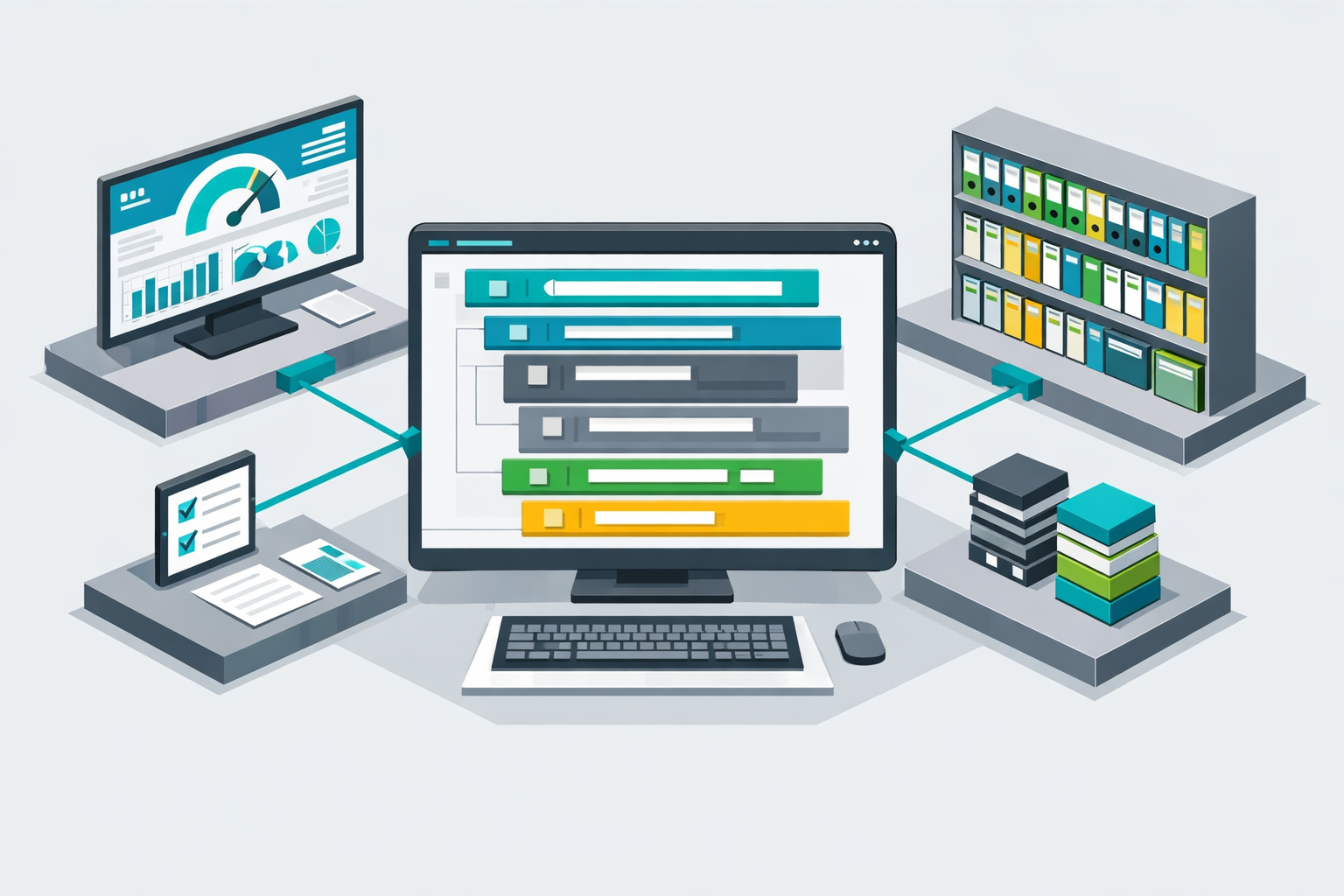
Deployment puts prompts into the tools your team actually uses. That might be a custom interface we build, a workflow in Make or Zapier, an integration with your existing software, or a structured process using a commercial AI platform with your prompts pre-loaded. The goal is that the person using the workflow does not need to understand prompt engineering. They provide the inputs, the system produces the output.
Industries We Serve in Avondale
Metal fabricators and job shops along Elston Avenue use prompt-engineered workflows to generate job specifications, material requirement summaries, and customer delivery confirmations from structured job order data. The fabricator provides the job parameters; the AI produces the document in the format the customer or supplier expects. Consistency across a high volume of custom jobs is the result.
Auto body and collision repair operations near Kosciuszko Park use AI-assisted prompt workflows to draft damage assessment summaries, insurance claim narratives, and customer status communications from repair order data. The AI does not replace the estimator's technical judgment; it drafts the prose explanation around it, saving 10 to 20 minutes per repair order that currently goes to writing text the estimator already knows.
Contractors and trades businesses on Belmont Avenue use prompt-engineered templates to generate project proposals, change order documentation, and client progress reports from job management data. The proposal structure stays consistent across every bid, the language reflects the contractor's standards, and the production time drops from an hour to ten minutes per document.
Polish delis and specialty food retailers on Milwaukee Avenue managing wholesale accounts use AI workflows to generate product availability updates, order confirmation summaries, and delivery schedule communications. Businesses with bilingual customer bases use prompt engineering to produce consistent Polish and English versions of the same communication without maintaining two separate writing processes.
Craft breweries and taprooms in Avondale's industrial spaces use prompt workflows to generate batch notes, tap list descriptions, and event announcements from structured production data. The brewery's voice and terminology stay consistent across every communication even as the production team rotates shifts.
General contractors managing multiple subcontractors use prompt-engineered templates to generate scope-of-work documents, subcontractor instructions, and project update communications from their project management data. Clear, consistent subcontractor documentation reduces the misunderstandings on Addison Street job sites that create rework and schedule delays.
What to Expect Working With Us
1. Task audit and use case prioritization. We review your current text-generating workflows and identify the best candidates for AI assistance. Some Avondale businesses have one obvious high-volume task that would benefit immediately. Others have five or six moderate-value opportunities. You get a prioritized list with estimated time savings per task so you can decide where to start.
2. Prompt development against your real documents. We write and test prompts using your actual business documents: your existing estimates, proposals, supplier communications, and customer correspondence. Prompts built against your real examples produce output that matches your standards, not a generic approximation of them.
3. Testing, refinement, and failure documentation. Each prompt goes through a structured test sequence with real scenarios before deployment. We document every failure case and the prompts that addressed them. You get the test results, not just the final prompt, so you understand the reliability boundaries before trusting the workflow in production.
4. Workflow deployment and team handoff. We deploy the prompt workflows in the tools your team uses and train the relevant staff members on how to use them. For businesses on Milwaukee Avenue or Kosciuszko Park with mixed technical backgrounds, we design the deployment to require minimal AI literacy from the end user. The training covers exactly the inputs the workflow requires and what to do when the output needs adjustment.