How We Build POS Systems for Avondale
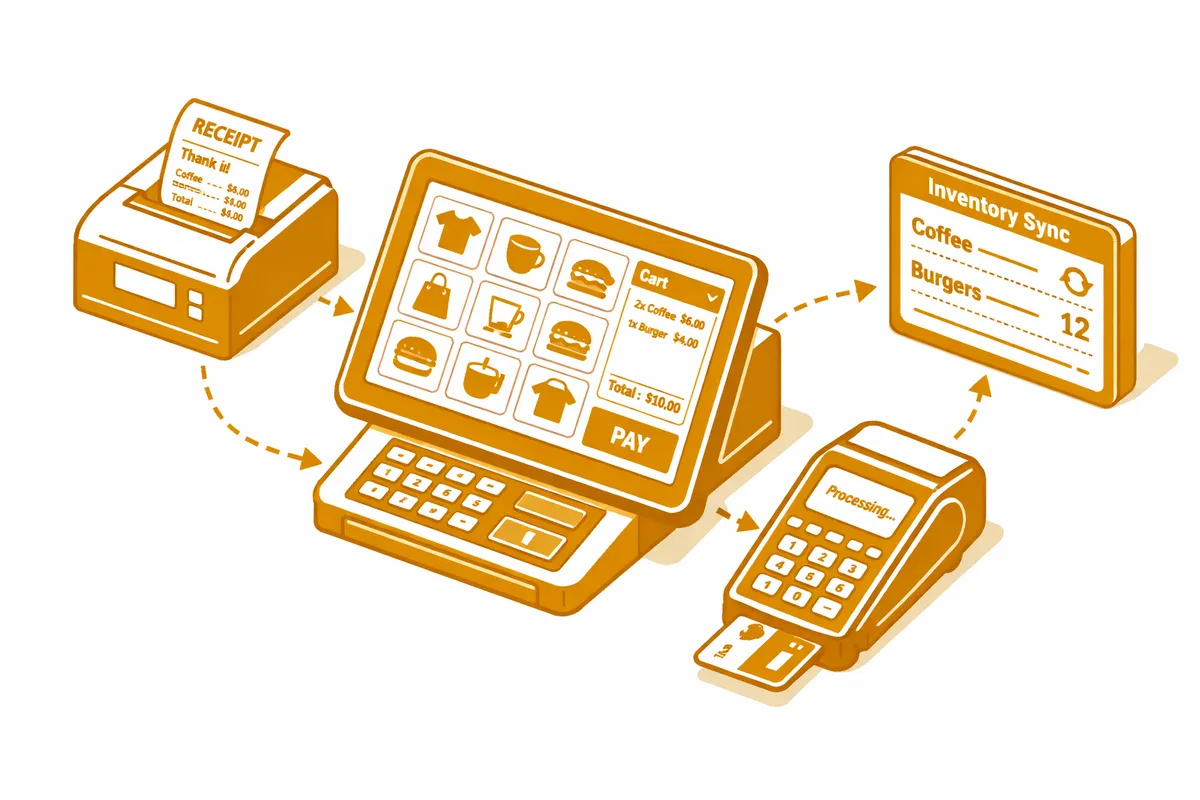
Avondale implementations prioritize inventory architecture. Before configuring the menu, we build the inventory structure that reflects the actual product mix: variable-weight items priced per pound, discrete retail items tracked by unit, prepared food items built from recipe ingredients, and draft beverages tracked by pour size and keg capacity for taprooms.
For Polish delis and specialty food retailers on Milwaukee Avenue, we connect scale hardware directly to the POS so that weight-based items price automatically without manual calculation. We configure the vendor tracking for specialty importers, build the purchase order workflow that creates receiving records when inventory arrives, and set reorder alerts at the item level so that the owner gets a low-stock flag before running out of an imported specialty item that has a three-week lead time from the supplier.
For craft breweries on Elston Avenue with taprooms, we build the taproom POS on top of a keg inventory management structure. Each keg is entered into inventory with its yield capacity, and draft sales deduct from that capacity as pours are rung up. When a keg approaches empty, the system alerts the bar manager before the embarrassing mid-pour discovery. Packaged beer, merchandise, and growler fills each have their own inventory tracking with appropriate reorder alerts. Illinois BASSET and liquor license compliance reporting runs from the same daily transaction data.
For full-service restaurants on Central Park Avenue and Belmont Avenue, we evaluate the table management requirements and kitchen display needs before recommending a platform. Avondale's family restaurant base tends toward moderate complexity: a dinner menu with some build-your-own items, a bar program that is primarily beer and wine, and a modest private dining or event capability. Toast handles this range well, with the ability to grow into more advanced configurations if the restaurant expands its event programming.
Industries We Serve in Avondale
Polish bakeries and specialty food retailers near St. Hyacinth Basilica on Milwaukee Avenue sell a mix of house-baked items, prepared foods, and imported specialty products that require multi-category inventory management. We configure these businesses with weight-based pricing for items sold by the pound, SKU-level tracking for packaged imports, and the daily production cost tracking that links flour, filling ingredients, and packaging costs to finished baked goods. Vendor purchase orders connect to inventory automatically when items are received, keeping stock counts current without manual entry.
Full-service Polish and Central European restaurants on Belmont Avenue and Central Park Avenue near Avondale Park serve neighborhood regulars and a broader clientele that seeks out traditional Eastern European cooking. We configure these restaurants with the kitchen display integration that keeps back-of-house informed on a full dinner service, table management that matches the restaurant's actual floor plan, and the reservation platform connection that surfaces OpenTable or Resy bookings in the POS host stand. Menu architecture reflects the menu structure of a heritage restaurant: family-style portions, traditional items with build-your-own modifications, and the beer and wine by-the-glass program that accompanies Eastern European cuisine.
Craft breweries and taprooms in the Elston Avenue industrial corridor need production-aware inventory management connected to the taproom POS. We configure keg-level inventory tracking with pour depletion, packaged product inventory for retail sales of cans and bottles, and the Illinois liquor excise reporting that connects production volume to taproom and retail sales. For breweries that also run a food program from the taproom, we configure the food menu alongside the beverage program in a unified daily revenue report. Merchandise inventory for brewery-branded apparel and merchandise tracks through the same system.
Contractors, fabricators, and light manufacturers with small retail or parts-sales operations in Avondale's industrial zone on Kedzie Avenue near the Chicago River need basic point-of-sale for over-the-counter sales alongside invoice and purchase order management for their service work. We configure these operations with the dual retail-and-service transaction capability that handles a cash sale of parts in the same system that generates invoices for installation labor.
Family restaurants and neighborhood diners along Addison Street and near Kosciuszko Park serve the residential base with the weekday lunch and dinner service that a neighborhood diner has always provided. These operations need reliable, low-maintenance POS systems that a small staff can operate without technical support calls. We configure these businesses for operational simplicity: a clean menu structure, straightforward cash and card handling, and the daily report that tells the owner what sold and how much was taken in.
Coffee shops and neighborhood cafes on Milwaukee Avenue near the Hairpin Arts Center serve a creative-class customer base that expects mobile payment, loyalty programs, and the mobile order capability that lets a regular submit their order from a studio up the block. We configure these operations with the quick-service speed and loyalty integration that keeps the arts community coming back, alongside the event-mode capability that handles the Hairpin Arts Center opening-night surge when every table fills within thirty minutes.
What to Expect Working With Us
1. Inventory architecture before menu entry. For specialty food businesses, bakeries, and breweries, we design the inventory structure before configuring any menu items. The inventory categories, unit-of-measure definitions, and vendor relationships need to be correct before the first SKU is entered, or every subsequent inventory entry compounds the initial structure errors.
2. Scale and hardware integration. For weight-based operations, we specify and integrate scale hardware as part of the POS installation. Scale integration is tested with actual product categories and weight ranges representative of your inventory before the system goes live. We do not treat scale integration as an add-on project after the main installation.
3. Vendor and purchasing setup. For specialty food businesses with complex supplier relationships, we configure the vendor database, purchase order templates, and receiving workflows during implementation. You leave the engagement with an active purchase order system, not just a POS with a static product catalog.
4. Ongoing configuration support. Specialty food businesses add seasonal items, rotating specialty imports, and new product lines on an ongoing basis. We provide a configuration support period after go-live that covers menu updates, inventory structure changes, and new vendor additions without requiring a new implementation project.