How We Build Multi-Agent Systems for Avondale
We begin with a workflow audit that maps every major operational process: how jobs enter the system, how they are quoted, how they are scheduled, how progress is communicated to clients, and how completion is documented and invoiced. We identify the handoff points where human time is spent transferring information between steps. For Avondale fabricators, the handoff from quote approval to production scheduling is often the most time-intensive. For contractors on Belmont Avenue, the handoff from job completion to invoicing is where hours disappear.
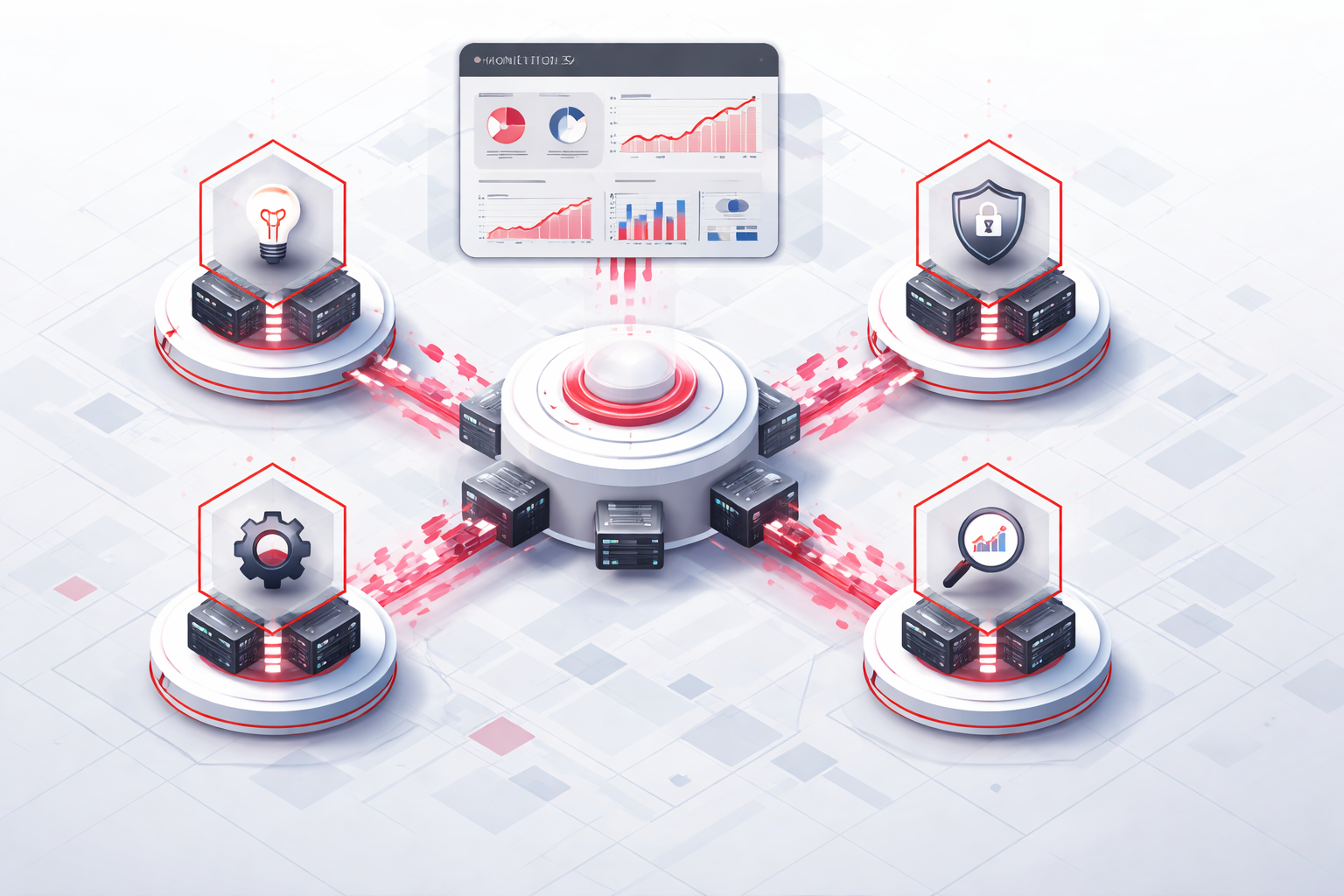
Agent architecture design determines how many agents are needed, what each one does, and how they communicate. For a typical Avondale fabrication shop, the architecture might include an intake agent that processes new job requests and extracts specifications, a quoting agent that calculates materials and labor costs against current rates, a scheduling agent that slots jobs into the production calendar based on equipment and crew availability, and a communication agent that drafts client updates at each milestone. Each agent is specialized. The system is the coordination layer that connects them.
We build on AI infrastructure appropriate for the volume and complexity of the operation. Smaller systems run on workflow automation platforms with AI components. Larger systems require custom development with orchestration logic. We use the simplest approach that achieves the outcome.
Integration with existing business systems is part of every build. If the Avondale fabrication shop uses QuickBooks for invoicing and a CRM for client records, the agent system connects to both. Agents pull data from and push data to the systems that already contain the authoritative records. The goal is not to replace your current tools. It is to connect them so information flows automatically instead of requiring manual transfer.
Testing uses real historical jobs from your business before the system goes live on current work.
Industries We Serve in Avondale
Metal fabricators and custom manufacturers on the Chicago River industrial corridor are the primary candidates for multi-agent systems in Avondale. Quote intake, materials sourcing confirmation, production scheduling, and client milestone communication can all be automated in a coordinated agent architecture that processes twenty to fifty jobs per week without adding administrative staff. Elston Avenue fabricators who currently staff an estimator, a scheduler, and a project coordinator can reduce that overhead significantly.
General contractors and specialty contractors on Elston Avenue and Addison Street manage complex job portfolios with multiple subcontractors, material deliveries, and client communication touchpoints. Multi-agent systems can coordinate the scheduling layer, the client communication layer, and the subcontractor notification layer as a unified workflow.
Auto body shops and automotive service businesses on Milwaukee Avenue process a high volume of standardized jobs: estimates, parts ordering, repair scheduling, and client pickup notification. Agent systems handle the coordination between these steps consistently, without the dropped balls that happen when a service advisor is managing ten vehicles simultaneously.
Craft breweries and small manufacturers near the Hairpin Arts Center deal with production batch planning, ingredient ordering, and distribution coordination. Agent systems can automate the batch schedule calculation, trigger ingredient orders when inventory drops below threshold, and coordinate delivery scheduling with distributor systems.
Property management and facility services businesses throughout Avondale handle high volumes of service requests, vendor dispatching, and status communication that benefit from coordinated automation. We build agent systems for property managers who are managing too many units to track manually.
Specialty trade businesses including electrical, HVAC, and plumbing contractors throughout the neighborhood run scheduling, dispatching, and client communication workflows that are well-suited to agent automation once volume exceeds what a single dispatcher can handle manually.
What to Expect Working With Us
1. Workflow audit and architecture design. We map your operational processes, identify the highest-value automation opportunities, and design the agent architecture. We produce a written specification before any development begins. Avondale business owners approve the architecture before a line of code is written.
2. Agent development and integration. We build each agent, connect them to your existing business systems, and build the coordination layer that passes work between agents. Integration with QuickBooks, common CRM platforms, and industry-specific scheduling tools is standard.
3. Testing on historical data. We run the agent system on historical jobs before deploying it on live work. We verify that outputs match what a human would produce and that edge cases are handled correctly. Avondale fabricators have seen enough vendor software that does not work in practice. We validate on real data before go-live.
4. Staged deployment and monitoring. We deploy the system on live work with a human review step at each agent output. As confidence builds, we reduce the review touchpoints and increase autonomous operation.