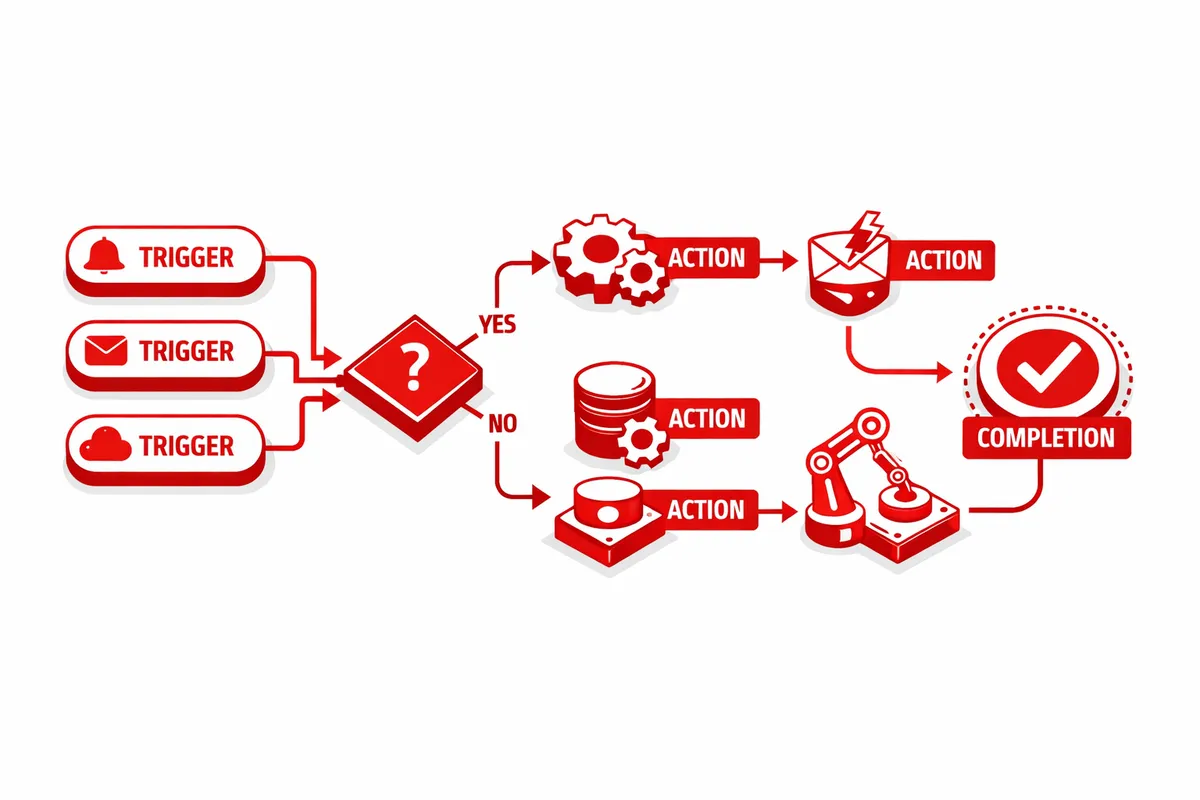
How We Build Workflow Automation for Andersonville Businesses
We start by documenting the specific manual processes each business performs. For Andersonville's independently owned businesses, we pay special attention to the tasks the owner performs personally, because those represent the highest-value time to recover. An owner spending 30 minutes on morning inventory reconciliation is 30 minutes not spent on buying, merchandising, customer relationships, or any other activity that leverages the owner's unique expertise.
We prioritize automations by owner time recovery, because in owner-operated businesses, the owner's time is both the most constrained and the most valuable resource. A workflow that saves a staff member 30 minutes is helpful. A workflow that saves the owner 30 minutes is transformative.
We integrate with the platforms Andersonville businesses use. Independent businesses tend to use accessible, modern platforms: Shopify, Square, Lightspeed, Toast, Mailchimp, Klaviyo, QuickBooks, and Google Workspace. We connect whatever combination your business runs on.
Industries We Serve in Andersonville
Specialty food shops and independent retailers along Clark Street automate multi-channel inventory management, purchasing with variable lead times, customer communication, and financial reporting. The specialty food shop eliminated its morning reconciliation and reduced wholesale fulfillment errors to zero by connecting all four sales channels to a unified inventory system. Sell-by date tracking triggers automatic alerts for products approaching expiration, prompting markdown decisions that reduce waste. Seasonal purchasing workflows adjust order quantities and frequencies based on holiday demand patterns, summer patio season impact, and the timing of neighborhood shopping events like Midsommarfest and the Andersonville Arts and Artisan Market.
Restaurants and cafes along Clark Street automate purchasing, prep planning, guest communication, and daily reporting. An Andersonville restaurant automated its weekly vendor ordering process, replacing the manual phone calls and email chains with automated purchase orders generated from inventory levels and projected covers. The system accounts for the neighborhood's event calendar, adjusting purchasing for Midsommarfest weekend, restaurant week, and other events that significantly impact volume. Post-visit email sequences nurture first-time visitors into regulars with targeted communications based on what they ordered and when they visited.
Boutiques and vintage shops automate inventory listing, pricing, customer relationship management, and marketing. A vintage shop on Clark Street automated its consignment tracking, replacing the manual calculation of consignor payments with automated tracking that calculates payments based on sales data, generates settlement statements, and notifies consignors of their balance. New inventory lists across the e-commerce platform and social channels simultaneously, with pricing informed by comparable sales data.
Service businesses including salons, wellness practitioners, and professional offices automate scheduling, client communication, retention workflows, and billing. Automated rebooking reminders sent at service-appropriate intervals increase rebooking rates by 20 to 35 percent. New client intake forms arrive completed before the first appointment. Birthday and anniversary communications maintain the personal relationship without requiring the practitioner to manually track client milestones.
What to Expect Working With Us
1. Owner-focused process audit. We document every manual workflow with special attention to tasks the owner performs personally, because those represent the highest-value automation targets in an independently owned business.
2. Prioritization by owner time recovery. Automations that free the owner's time rank highest, followed by those that improve accuracy and customer experience.
3. Platform integration. We connect your existing tools so they share data natively. Most Andersonville businesses use 4 to 8 platforms that currently require manual bridging.
4. Core automations live in two weeks. Inventory synchronization, notification workflows, reporting, and high-frequency task automations deploy first.
5. Full deployment in four to six weeks. Seasonal workflows, event-driven adjustments, and complex operational processes complete the build.