How We Build Computer Vision for Andersonville
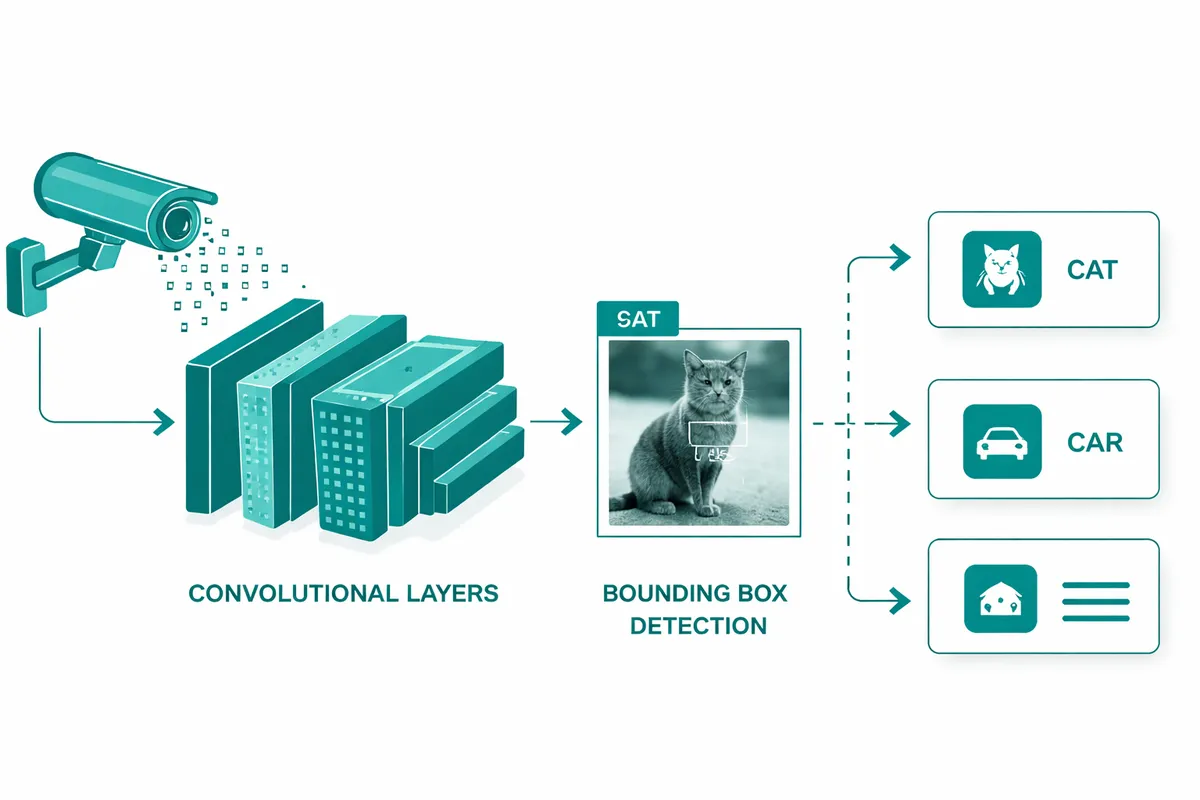
We assess your visual monitoring needs and deploy appropriate solutions. For boutiques on Clark Street, that includes display analytics, inventory monitoring, and customer traffic patterns. For restaurants near Foster Avenue, it means kitchen quality checks and table occupancy tracking. For retail shops near Berwyn, it includes loss prevention and shelf monitoring.
Every system integrates with your existing camera setup wherever possible, minimizing hardware costs and installation complexity. We validate accuracy against your real visual data before going live and train you on how to interpret the dashboards and alerts the system generates. The goal is actionable information delivered in a form that fits into your existing operational rhythm, not a new system requiring dedicated staff attention.
Model training for each specific environment takes place during a calibration period before full deployment. Your store layout, your specific products, your kitchen workflow, your customer traffic patterns: the AI learns these specifics before it starts monitoring and alerting. Accuracy built on your actual environment rather than generic training data.
Industries We Serve in Andersonville
Independent retail shops along Clark Street use computer vision for inventory accuracy, window display analytics, and customer traffic pattern analysis. A Clark Street boutique that deploys display effectiveness tracking can measure how much time customers spend engaging with specific window configurations, which arrangements draw the most people from the sidewalk into the store, and how seasonal changes in visual presentation correlate with foot traffic conversion. Automated inventory counting eliminates the Sunday morning count that previously consumed two hours of staff time each week while producing counts that were often off by ten to fifteen percent due to human error and distraction.
Restaurants near Foster Avenue deploy visual AI for food presentation consistency and kitchen compliance monitoring. A kitchen camera monitors plating quality across every shift, flagging presentations that fall outside your standards before the dish reaches the table. The benefit is not just consistency: it is the ability to maintain a standard when staff turnover brings in new line cooks who need to learn your specific plating approach. Table occupancy tracking helps staffing decisions by showing exactly when the lunch rush transitions to the afternoon slow period, informing precise staffing adjustments that reduce labor cost without compromising service.
Wine bars and specialty hospitality businesses between Bryn Mawr and Foster use computer vision to track bar area occupancy, identify the seating configurations customers prefer during different day parts, and monitor compliance with service standards across bar and floor staff. A wine bar known for specific presentation standards can use kitchen monitoring to verify those standards are maintained during every shift, including the late Friday service when oversight is thinnest.
Wellness and beauty providers near Berwyn Avenue use occupancy tracking and facility monitoring to manage appointment scheduling and space utilization. When a yoga studio can see that certain time slots consistently run at 40 percent capacity while adjacent slots run at 90 percent, the scheduling adjustment becomes obvious. Computer vision produces the utilization data that scheduling instinct often gets wrong.
Specialty food shops and bakeries monitor product display freshness and inventory levels, receiving alerts when items drop below par or when refrigerated display cases need restocking before the condition affects product quality or customer perception. For a bakery where the display case is the primary visual merchandising tool, knowing that a specific item is selling down faster than expected allows a production adjustment before the case looks sparse during the afternoon rush.
Queer-owned retail and service businesses throughout Andersonville's commercial district benefit from computer vision security monitoring that is sensitive to the specific environment without over-triggering. Security monitoring designed for an affirming, community-oriented business space is different from retail security designed for high-shrink mass-market retail. We configure monitoring that protects the business without creating a surveillance environment that conflicts with the welcoming character these businesses work to maintain.
What to Expect Working With Us
1. Visual operations audit: We walk through your physical space and current monitoring practices to identify the visual tasks consuming the most staff time or creating the most operational risk. We document what cameras you already have, what they cover, and what gaps exist.
2. Solution design and model training: We design a computer vision deployment specific to your operations, selecting the right AI models for each task. Inventory counting uses different models than display analytics or security monitoring. We train each model on your specific environment, products, and layout.
3. Integration and calibration: We connect the system to your existing camera infrastructure, calibrate the models against your real data, and validate accuracy before going live. We set up alerts and dashboards so you receive actionable information rather than raw data.
4. Review and ongoing refinement: We schedule monthly reviews to assess system performance and refine models based on new products, seasonal layout changes, or operational shifts. Display analytics insights are reviewed together to identify the most actionable findings for your merchandising decisions.