How We Build API Integrations for Andersonville
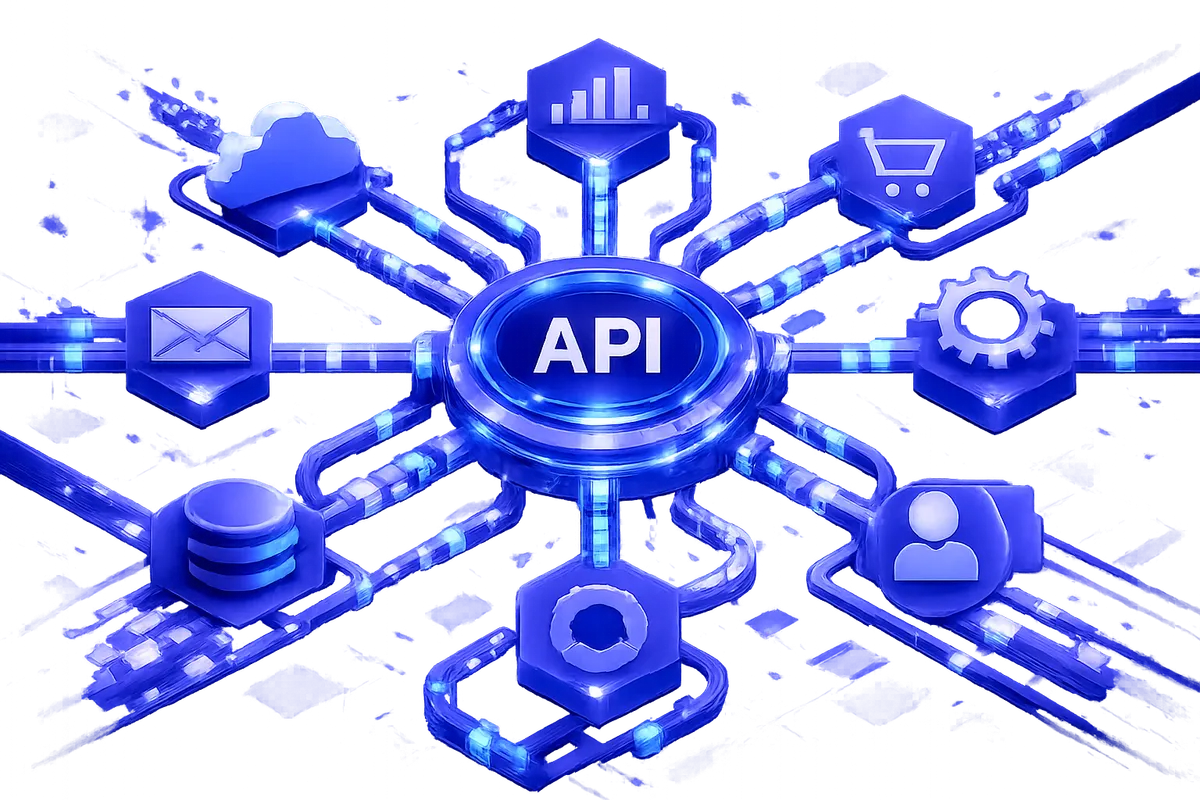
We begin by mapping your current technology environment: every software tool your business uses, what data each contains, and what manual processes currently transfer information between them. For most Andersonville businesses, this audit reveals five to eight manual transfer processes happening weekly, with three or four of them representing meaningful time savings and error reduction opportunities.
We prioritize by business impact. The integration that eliminates the most time-consuming manual process gets built first and goes live before the rest. For most Andersonville independent businesses, the highest-value integration is between their booking or POS system and their email marketing platform, because that connection determines whether customer relationships develop automatically or depend on manual follow-through.
Every integration is built with error handling, retry logic, and monitoring. When an upstream system goes down temporarily or returns an unexpected response, the integration queues the data and processes it when connectivity restores. Nothing is lost. We document every integration clearly so your team understands what is connected, how, and what to check when something looks wrong.
Industries We Serve in Andersonville
Independent retailers on Clark Street selling across in-store, online, and wholesale channels need inventory synchronization that maintains a single accurate count across all three. A Clark Street home goods shop that oversells a limited-edition Scandinavian piece because online and in-store inventory counts diverged has a disappointed customer and a reputation problem. Integration eliminates the divergence by connecting your POS, e-commerce platform, and wholesale ordering system to a single inventory truth that updates with every sale regardless of channel.
Restaurants and bars between Foster and Berwyn need daily revenue from POS, delivery platforms, and bar operations to reconcile automatically against banking. A Clark Street restaurant receiving orders through Toast, DoorDash, and Uber Eats alongside bar tabs needs all four revenue streams consolidated nightly into accounting without manual posting. Reservation platform data from OpenTable or Resy should feed the CRM that powers pre-visit email communications and post-visit review requests. Integration connects these touchpoints without adding administrative labor.
Wellness and fitness studios near Bryn Mawr Avenue run scheduling, email marketing, and accounting as separate tools that manual processes currently connect. A yoga studio where every new client requires an instructor to manually add them to the email list, post the payment to QuickBooks, and update the CRM has built three manual tasks into every new client acquisition. Integration eliminates all three, and adds the automatic trigger for a welcome email, intake form delivery, and follow-up sequence.
Queer-owned service businesses that have built loyal client communities in Andersonville depend on customer relationship continuity that manual data management often fails to deliver. Appointment history, service preferences, communication history: these relationship assets need to flow automatically between scheduling, CRM, and marketing tools to support the personalized service experience that distinguishes Andersonville's independent businesses from impersonal alternatives.
Professional services firms on Ashland Avenue need client intake from website forms to reach the CRM immediately, project management tool updates to sync with billing, and invoice generation to trigger from time tracking approval. The manual steps that currently connect these systems introduce delays that affect both client experience and cash flow. Integration makes the connections automatic, from the moment a prospective client submits an inquiry through billing and payment.
Specialty food and home goods producers selling through multiple channels need order data from their e-commerce store, farmers market system, and wholesale portal to flow into inventory management and accounting simultaneously. A specialty food producer managing online orders, restaurant wholesale accounts, and retail shelf replenishment needs all three order types to deduct from the same inventory count and generate the same accounting entries automatically, without three separate data entry workflows.
What to Expect Working With Us
1. Requirements analysis and prioritization: We map your full technology environment, identify every manual process that should be automated, and prioritize by business impact. The output is a prioritized integration roadmap with specific time savings estimates.
2. Architecture design: We design the integration approach for each connection: the data flows, transformation logic, error handling, and monitoring. For each integration, we document exactly what data moves from where to where and under what conditions.
3. Build and test: We implement integrations with thorough testing using realistic data volumes and edge cases. Every integration is documented so your team understands what is connected, how, and what to check if something looks wrong.
4. Monitoring and ongoing support: Integrations go live with monitoring in place. We track error rates, processing volumes, and data quality through the initial weeks of operation. For clients on maintenance retainers, API changes from upstream vendors are handled as they occur.