How We Build Multi-Agent Systems for Albany Park
Our process begins by mapping your current workflow complexity. We sit with you during a typical operating day and document where time goes: which tasks require human judgment versus which are coordination and information-gathering. For an immigration attorney, that might reveal that 30% of time is actual legal analysis while 70% is intake, follow-up coordination, research compilation, and document management. For a panaderia, managing standing orders with repeat customers might eat two hours daily that could be spent on product development.
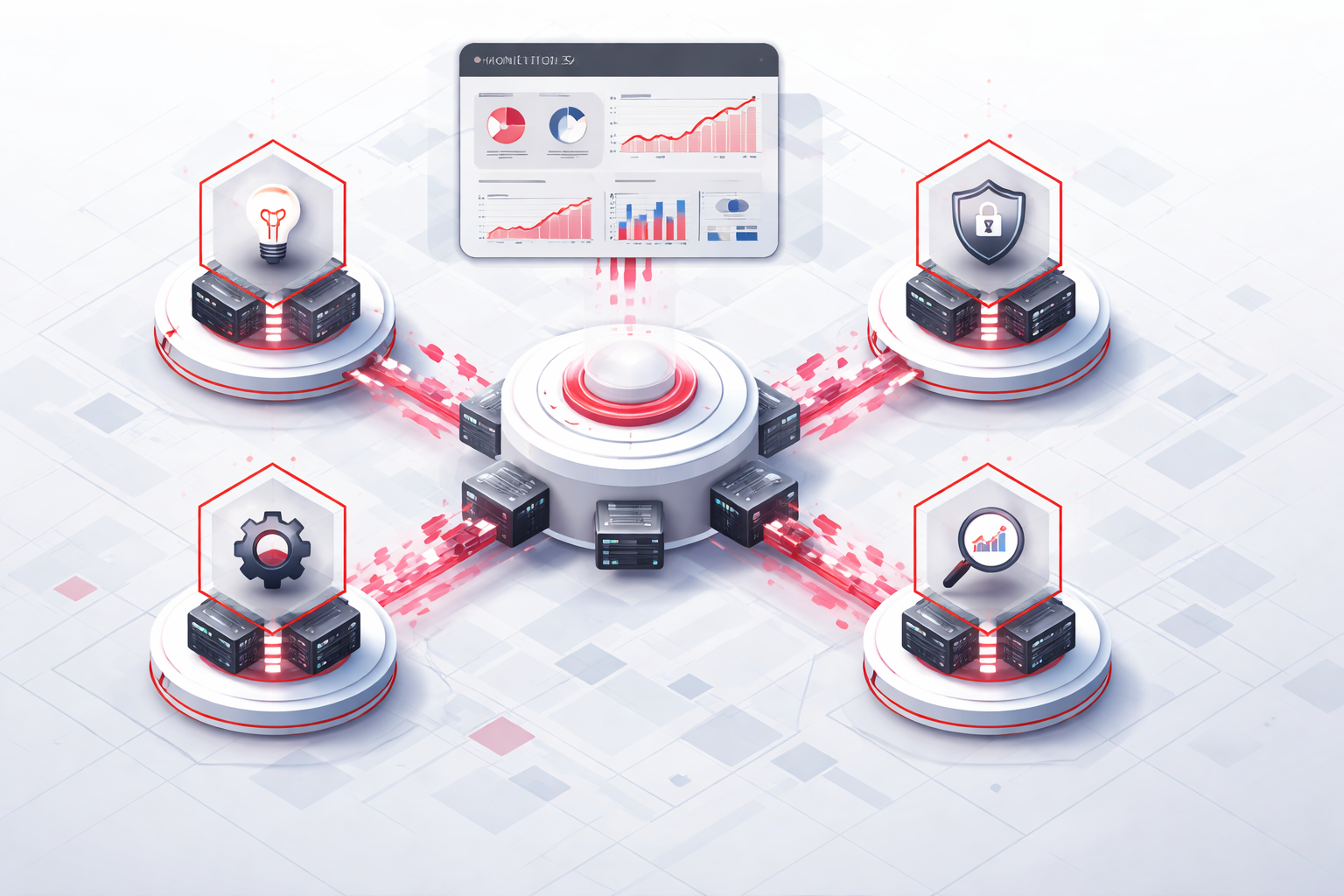
We then design a multi-agent architecture matched to that workflow. The goal is not to replace you but to replace the coordination layer so you focus on the decisions only you can make. We prototype with your actual data, test the agent interactions, and refine the handoffs between agents until they work reliably. For a business on Lawrence Avenue near the Kimball Brown Line terminus, that might mean spending time understanding your foot traffic patterns, supplier relationships, and seasonal rhythms so the inventory agent makes decisions that reflect your real constraints, not some generic model. A medical clinic on Foster Avenue will need agents tuned differently than an auto shop near Ronan Park, even if both businesses operate with a team of five people.
Deployment involves careful training of each agent on your specific data, processes, and terminology. A research agent for an immigration law practice needs to understand visa categories, recent regulation changes, and your practice areas. A delivery coordination agent needs to know which restaurants place standing orders, which prefer weekly calls, and which take rush orders. This specificity takes time to build right, but it is what makes the system worth using.
Industries We Serve in Albany Park
Immigration service providers along Kedzie Avenue deploy multi-agent systems to coordinate intake calls in English and Spanish, process document requests, compile regulatory research, manage client communications across multiple stages of their case, and coordinate with government agencies. The system enables one attorney to handle more cases by eliminating coordination overhead between intake, research, and follow-up communication.
Family-owned taquerias and food service businesses operating multiple locations around Lawrence Avenue use multi-agent coordination to manage inventory across sites, handle delivery orders and reservations from restaurants and catering clients, manage staff scheduling across shifts, and communicate with suppliers about weekly orders. During major holidays and cultural events like quinceanera season, the system automatically flags demand increases and alerts ownership to adjust staffing and procurement.
Korean and Middle Eastern specialty grocers along Pulaski Road deploy agents to track inventory of products with limited shelf life, coordinate with bilingual suppliers for weekly orders, manage customer loyalty programs and repeat purchase patterns, handle pre-order requests from restaurants, and manage pricing changes across locations. The system learns which products move faster in which seasons and coordinates procurement accordingly without manual forecasting.
Small medical and dental practices serving the Albany Park population use multi-agent systems to handle phone intake in multiple languages, manage appointment scheduling across multiple providers and locations, process insurance verification and claims, manage prescription refills, and maintain patient communication for follow-ups. The agents reduce administrative burden on clinical staff so doctors and nurses focus on patient care rather than paperwork.
Auto service and body shop operations on Kimball Avenue and around Horner Park coordinate multi-location work orders, manage parts inventory and supplier relationships, handle customer communication about repair status, manage technician scheduling, and process billing and warranty claims. The system ensures no job falls through the cracks due to miscommunication between locations.
Community-oriented retail including clothing, home goods, and specialty shops around Eugene Field Park use multi-agent coordination to manage inventory across physical and online channels, handle customer service in English and Spanish, manage staff scheduling and training, coordinate with local suppliers and community vendors, and process seasonal transitions when merchandise changes from winter to spring to summer stock.
What to Expect Working With Us
1. Current-state workflow mapping. We observe your actual operations across one typical operating week and document the explicit processes plus the implicit coordination work that only you currently understand. This reveals where agents can add the most value and what knowledge we need to capture in our system design.
2. Agent architecture design and prototyping. We design the multi-agent system matched to your workflow, test the agent interactions with your actual data, and show you how the agents coordinate before building for production. This step confirms that we understand your business and that the automation makes sense for your specific challenges.
3. Knowledge capture and agent training. We work with you and your team to document the rules, priorities, and decision-making that your agents need to embody. For an immigration office, that means walking through actual cases so the research agent learns your practice style. For a panaderia, it means understanding your supplier relationships and seasonal patterns. This is the most time-intensive step but it is what prevents agents from making decisions you would disagree with.
4. Deployment and continuous optimization. We deploy the multi-agent system into your actual operations, monitor how well agents coordinate, gather feedback from you and your team, and refine the agent instructions based on real-world performance. Most businesses see 20% to 40% reduction in coordination time within the first month of deployment.