How We Build ERP Integration for Albany Park
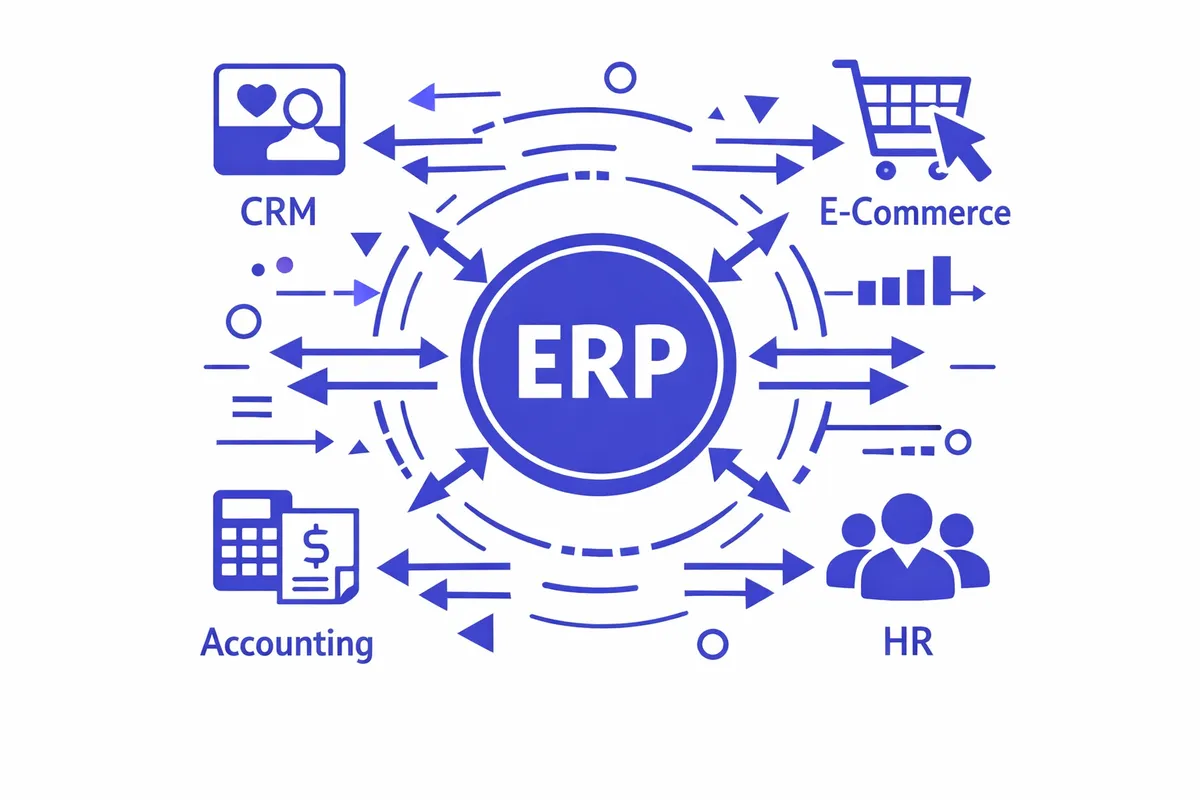
We start at the counter, not with a software diagram. We sit with the owner, and often the family members who run different parts of the operation, and trace how the business actually moves: how a sale is recorded at a Lawrence Avenue grocery, how that turns into an accounting entry, how a supplier order gets placed, and where those threads currently fail to connect. Many Albany Park businesses have never written this down, so the first deliverable is often simply a clear map of the operation.
From there we identify the integration points that matter most. We do not try to connect everything at once. For a bakery near Kedzie Avenue, the highest-value link might be inventory to accounting, so ingredient cost flows into margin automatically. For an auto repair shop near Montrose Avenue, it might be the work-order system to billing, so completed jobs invoice without re-entry. We sequence the work so the business feels relief early instead of waiting through a long project.
We also build for the languages and the people in the room. Albany Park's business owners are often working across English and a first language, and the next generation may run the systems day to day. We document the integration in plain terms, train the family members who will actually use it, and keep the design simple enough to maintain. A grocery near the Albany Park Library should not need a consultant on retainer to keep its systems talking. The goal is durable infrastructure a family can own, not a fragile setup that breaks the first time something changes.
Industries We Serve in Albany Park
Ethnic groceries and food markets along Lawrence Avenue use ERP integration to connect point-of-sale, inventory, and accounting so a family can see product-line margins as sales happen. A Korean grocery near the Kimball Brown Line terminus uses integration to replace weekly manual reconciliation, so the owner knows which categories are profitable before placing the next supplier order rather than weeks afterward.
Bakeries and specialty food producers near Kedzie Avenue rely on ERP integration to link ingredient inventory, supplier ordering, and accounting. A Middle Eastern bakery facing demand swings around Ramadan and Eid uses integrated data to project ingredient needs across those seasonal patterns, so a religious-calendar surge becomes something the business orders ahead of instead of scrambling to meet.
Family-run restaurants and taquerias along Pulaski Road use ERP integration to connect their POS, labor scheduling, and accounting systems. A taqueria near Eugene Field Park uses integration so food cost and labor cost flow into margin automatically, which gives the family a real read on profitability through the heavier quinceanera and graduation months instead of a guess based on how busy the dining room felt.
Auto repair and service shops near Montrose Avenue use ERP integration to tie their work-order systems to inventory and billing. A shop off Kimball Avenue uses integration so a completed repair pulls parts from inventory and generates an invoice without anyone re-keying the job, which closes the gap between work performed and revenue recorded that disconnected systems create.
Small medical and dental practices in Albany Park use ERP integration to connect practice management, billing, and accounting systems. A practice near Ronan Park uses integration so patient billing, insurance reconciliation, and the financial books stay in sync, replacing the manual cross-checking that consumes office staff time and introduces errors into a small practice's records.
Immigration law offices and professional services along the Lawrence Avenue corridor use ERP integration to connect case management, time tracking, billing, and accounting. An immigration practice near the Albany Park Library uses integration so billable work flows into invoices and the firm's books without duplicate entry, giving a small office an accurate financial picture without adding administrative headcount.
What to Expect Working With Us
1. Counter-level operations mapping. We sit with you and the family members who run the business, often near your counter on Lawrence Avenue or Kedzie Avenue, and trace exactly how a sale, an order, and an accounting entry move today. For many Albany Park businesses, that map is the first time the whole operation is written down in one place.
2. Prioritized integration sequencing. We identify the connections that deliver the most relief first, whether that is inventory to accounting for a grocery or work orders to billing for a repair shop. You feel the benefit early instead of waiting out a long project.
3. Build, connect, and verify. We connect your existing systems so data flows automatically, then test the integration against real transactions from your operation. We confirm the numbers match before anything goes live, so you can trust the integrated picture from day one.
4. Plain-language documentation and family training. We document the integration in clear terms and train the people who will actually run it, including the next generation taking over the business. The goal is a system a family near Eugene Field Park can own and maintain without a consultant on permanent retainer.