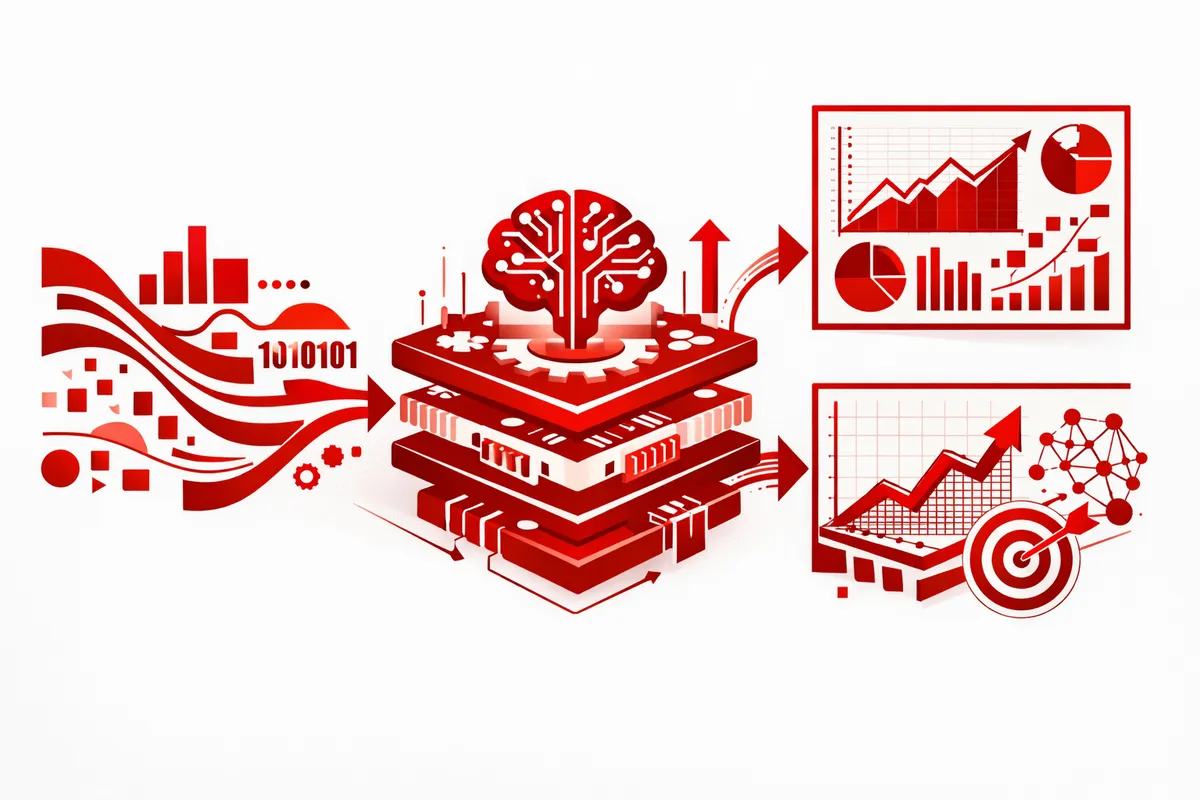
How We Build Data Analytics AI for Albany Park
Our process begins by understanding what data you have and what insights matter most. What systems track your data? Do you have point-of-sale data, customer records, inventory, operational metrics? What decisions would improve if you understood your data better? We audit your data situation and identify high-value analysis opportunities.
We then organize and analyze your data. We connect to your existing systems (point-of-sale, accounting, CRM, inventory). We clean and structure data so it is analyzable. We build dashboards and reports that surface insights in formats business owners understand: which products are most profitable, which customers are most valuable, what demand patterns exist, what costs can be controlled.
We present analysis in business language, not technical jargon. A restaurant owner sees "Dish A drives 30% of profit with 10% of orders." A retailer sees "Top 20% of customers drive 60% of revenue." A family business near the Albany Park Library sees "Demand peaks on Friday and Saturday; Monday staffing can be reduced." Insights are actionable because they are specific to the business and presented in language the owner can act on immediately.
We also build forecasting models calibrated to Albany Park's seasonal and community patterns. A Korean grocery's demand forecast accounts for Korean holidays. A taqueria's forecast accounts for local community events. Standard forecasting models built for generic retail miss these patterns. Ours are built around your actual customer community.
Industries We Serve in Albany Park
Family-owned restaurants and food service analyze menu profitability, identify peak demand times, understand customer preferences, and optimize staffing and inventory. Restaurant owners make menu and operational decisions based on profitability data rather than intuition. For restaurants along Lawrence Avenue and Foster Avenue, this means understanding which nights of the week justify extra staff and which days can run lean.
Independent retail stores and boutiques analyze which products drive profit, forecast demand by season and category, understand customer buying patterns, and optimize inventory and pricing. Retailers compete with chains through smarter inventory management and customer understanding. A retailer on Kimball Avenue that knows exactly which products its core customers buy can stock more precisely and reduce markdowns.
Family import and wholesale businesses identify top customers and their buying patterns, forecast seasonal demand, understand which products have highest margins, and optimize inventory and supplier relationships. Import business owners on Pulaski Road and Montrose Avenue understand profitability by product and customer rather than relying on total revenue as the only measure of success.
Small manufacturing and production businesses analyze production efficiency, identify cost drivers, forecast demand, and optimize production planning and resource allocation. Manufacturers reduce waste and improve margins through operational data analysis.
Professional service practices (dental, medical, legal) analyze practice performance, understand patient lifetime value, identify retention and upsell opportunities, and optimize scheduling and resource allocation. Practices near Ronan Park and Horner Park make staffing and marketing decisions based on data rather than gut feel about what the practice needs.
Local food and beverage producers analyze product profitability and demand, understand customer preferences and seasonal patterns, and optimize production and inventory. Producers understand which products and customers drive profit.
What to Expect Working With Us
1. Data audit and opportunity assessment. We understand what data you have, where it lives, and what analysis would add most value. We identify your highest-value analysis opportunities and prioritize by impact. For Albany Park businesses with data scattered across multiple systems, this step clarifies what is usable and what would take additional work to integrate.
2. Data integration and analysis setup. We connect to your systems, organize your data, build analysis infrastructure. We create dashboards and reports that surface insights you care about in formats you understand. We configure community-specific patterns so the analysis reflects Albany Park's actual seasonal and demographic rhythms.
3. Training and insight translation. We review analysis results with you and translate insights into business language. We explain what data reveals and what it means for your decisions and operations. We make sure you know how to read the dashboards and act on what you see, not just how to log into the system.
4. Continuous monitoring and refinement. We monitor insights over time, identify emerging patterns, and refine analysis based on what matters most. Data analysis evolves as your business evolves and as you understand what insights are most valuable.