How We Build Autonomous Agents for Albany Park
We start by identifying the workflows that consume the most staff time across your organization. We interview staff about administrative bottlenecks. We ask what languages are involved and where language creates friction. We document current procedures in each language.
We then identify which workflows create the most pain across language barriers. Processing applications that arrive in multiple languages is a priority. Intake processes that work in one language but not others is a priority. Tracking and recognition systems that do not work across diverse volunteer populations is a priority. For Albany Park organizations near the Albany Park Library or along Kedzie Avenue, intake workflows for clients arriving with documents in multiple languages are typically the highest-impact starting point.
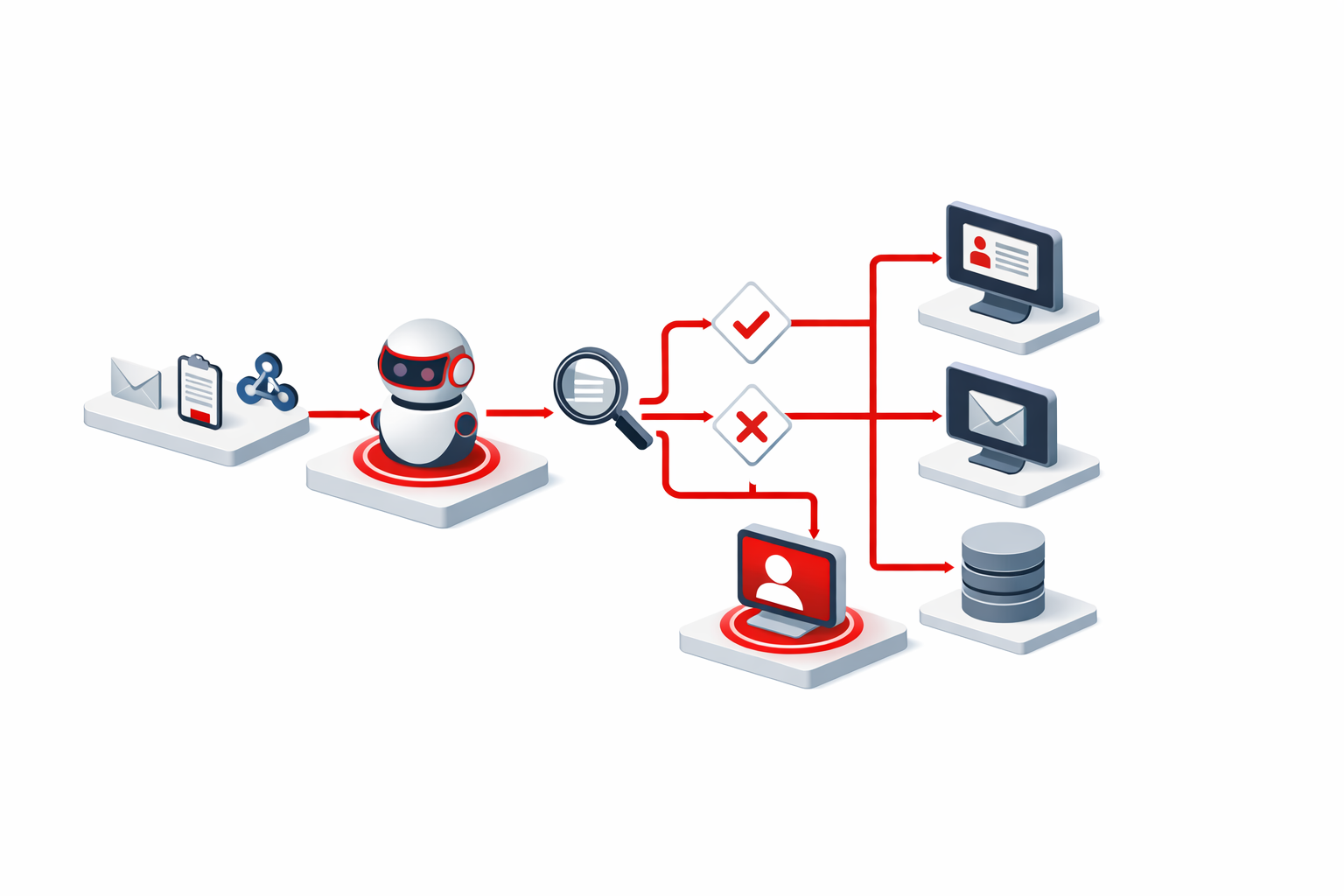
We design agents specifically for multilingual work. An intake agent determines the language of incoming applications and routes appropriately. A document processing agent handles documents in multiple languages and extracts key information. A volunteer tracking agent handles volunteer assignments and hour tracking regardless of the volunteer's language.
We configure the agents for each language your organization serves. If you serve Spanish, English, Mandarin, Korean, and Arabic speakers, the agents work in all five languages. We test with real examples from your organization in each language until accuracy is high.
We deploy the agents and train your team. We monitor accuracy and refine continuously. We add new languages or workflows as your organization evolves.
Industries We Serve in Albany Park
Immigration Services Organizations. Immigration nonprofits use agents to process applications in multiple languages, screen eligibility, organize case documentation, and generate reporting. Applications arrive in any language. Agents determine the language, extract key information, and route to appropriate case managers. Processing speed increases. Quality improves because forms are complete before a caseworker touches them.
Community Health Clinics. Multilingual health clinics use agents to handle patient intake in multiple languages, schedule appointments, manage insurance verification, and track patient communications. Patients call in their preferred language. The agent understands and processes in that language. Intake is complete before the appointment. Clinicians focus on clinical care instead of administrative work. For practices serving patients from the Ronan Park and Horner Park neighborhoods, this is the difference between a 45-minute intake appointment and a 10-minute one.
Community Development Nonprofits. Community organizations use agents to process volunteer applications, track volunteer hours, send volunteer communications, and generate volunteer recognition reports. Volunteers apply in their preferred language. Hours are tracked automatically. Recognition is generated consistently. Volunteers see that their service is valued, which improves retention across Albany Park's diverse volunteer community.
Professional Services for Immigrant Communities. Immigration attorneys, accountants, and others serving immigrant communities use agents to handle client intake, document organization, and communication. Clients work in their preferred language. Documentation is organized systematically. Attorneys on Kedzie Avenue focus on legal work instead of administrative coordination.
Small Retail and Ethnic Businesses. Korean groceries, Middle Eastern bakeries, and other immigrant-owned retailers use agents to handle customer communications, inventory management, supplier ordering, and employee scheduling in multiple languages. Staff communication happens in workers' preferred languages. Scheduling avoids conflicts. Supplier ordering is coordinated across multiple languages when needed.
Community Centers and Recreation. Community centers use agents to process program registration, manage attendance, handle communications, and track participation across a diverse population. Registration happens in participants' preferred languages. Attendance is tracked. Communications go out in appropriate languages.
What to Expect Working With Us
1. Multilingual Workflow Audit. We understand your current workflows and the languages involved. We identify where language creates friction. We document procedures in each language your organization serves. We map the administrative burden to specific workflow steps so we can target the highest-impact improvements first.
2. Agent Design. We design agents specifically for your multilingual workflows. We identify which agents will have the biggest impact. We explain the approach in clear terms without technical jargon. You understand what each agent does and what it does not do before we build anything.
3. Language Configuration. We configure agents for each language your organization serves. We test with real examples in each language. We refine until quality is high in all languages. For Albany Park organizations serving Korean and Arabic alongside Spanish and English, we treat each language as a first-class requirement, not an afterthought.
4. System Integration. We integrate agents with your existing systems. Information flows from agent to your database or case management system. For nonprofits on Kimball Avenue using existing case management software, we build integrations that fit your current infrastructure rather than requiring you to replace systems.
5. Team Training. We train your team on monitoring agents and refining their behavior. We help you establish quality checks to ensure accuracy across languages. We set up dashboards that show throughput and accuracy by language so you can see the improvement.
6. Continuous Improvement. We monitor agent performance and refine continuously. Accuracy improves over time as agents encounter more language examples. We add new languages or workflows as your organization evolves.