How We Build AI Sales Intelligence for Albany Park
Our process begins by understanding your customer data. We identify where customer information lives: POS systems, email lists, phone records, delivery routes, repeat customer patterns. For a restaurant on Lawrence Avenue, we analyze purchase history and order timing. For a grocery store on Kedzie Avenue, we analyze basket composition and shopping frequency. For a medical practice near the Albany Park Library, we analyze patient appointment patterns and treatment types. For an auto shop near the Kimball Brown Line terminus, we analyze vehicle service histories and maintenance intervals. The neighborhood's walkability along Foster Avenue and Pulaski Road shapes customer behavior differently than auto-dependent corridors; we factor geography into customer loyalty analysis.
We then apply AI analysis to reveal patterns. Which customer types (demographics, geographic, behavior) are most valuable? Which are most likely to be repeat customers? Which are at risk of churn? What seasonal patterns drive demand? When are customers most responsive to marketing? We translate these patterns into actionable insights: which customers to target for upsell, which neighborhoods to expand into, which product categories to expand, which seasonal offerings to add.
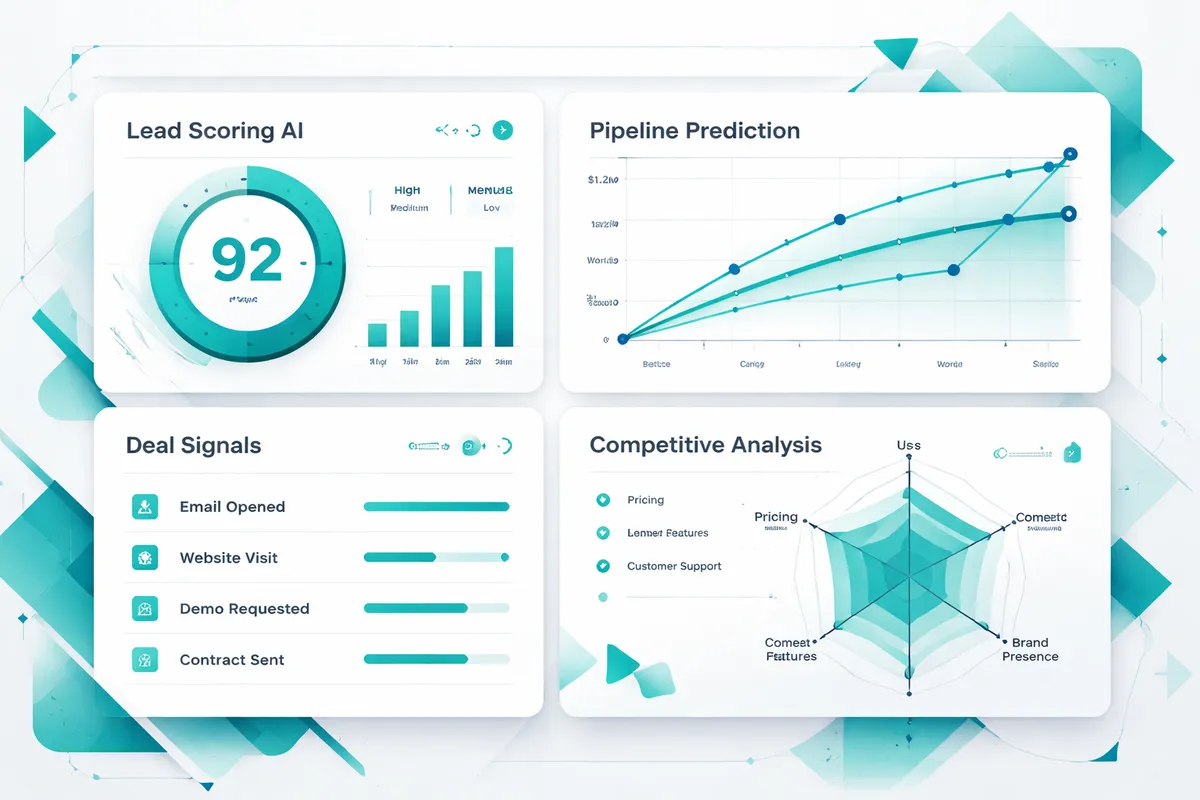
We build systems that surface these insights automatically and integrate them into your daily workflow. Instead of buried in spreadsheets, insights appear as recommendations in your scheduling system, your inventory planning, or your marketing decisions. For Albany Park businesses, that often means identifying which days and times drive the most profitable traffic, which product categories correlate with repeat visits, and which outreach timing produces the strongest response from customers in a dense, walkable neighborhood where relationships are built over years of regular visits.
Industries We Serve in Albany Park
Family-owned taquerias and food service analyze customer order history and timing to identify regular customers worth special promotions, understand which menu items drive customer loyalty, and recognize seasonal demand patterns so procurement and staffing match actual customer flows. Delivery route optimization becomes data-informed rather than habitual.
Grocery and specialty food retailers analyze customer basket composition and purchase patterns to understand which customers are premium buyers versus budget-conscious, identify which product categories correlate with each other, and detect which items are gaining popularity before inventory becomes an issue. Stock allocation becomes data-informed.
Family medical practices analyze patient visit patterns and treatment types to identify patients at risk of becoming inactive (who could be proactively contacted), understand which services drive patient loyalty, and recognize seasonal demand patterns (flu season, allergy season) so staffing and supplies are ready. Retention improves through proactive outreach.
Auto service and body shops analyze service history patterns to identify customers due for maintenance (who should be reminded before going to competitors), understand which services are most profitable, and recognize seasonal demand (winter tire sales, spring maintenance). Proactive service recommendations increase revenue.
Immigration service providers analyze client case types and outcomes to understand which practice areas generate most referrals, identify clients most likely to engage additional services, and recognize geographic patterns showing where to market their services. Referral networks become data-informed.
Dental and medical practices analyze patient types by referral source to identify which referral sources are most valuable, understand which treatment types drive patient loyalty, and recognize which patients are at risk of switching to other providers. Retention and referral strategies become data-informed.
What to Expect Working With Us
1. Customer data audit and integration. We identify where your customer data lives and integrate it into a centralized system for analysis. This might involve connecting your POS system, customer management system, email marketing, and delivery records.
2. Pattern analysis and insight generation. We apply AI to identify patterns in customer behavior, value, churn risk, and responsiveness. We create a dashboard showing your most valuable customers, highest-risk customers, and opportunities for growth.
3. Action recommendation system. We build systems that automatically surface recommendations: which customers to target for specific offers, which products to stock based on demand patterns, which neighborhoods to expand into, when to offer seasonal products.
4. Integration into your workflow. We integrate insights into tools you already use: your scheduling system, your marketing decisions, your inventory planning. You access recommendations naturally in your daily work rather than looking at separate reports.