small business content engine
Most small businesses approach content as a list of separate tasks: write a blog post, post to Instagram, send an email, update Google. Each one feels like its own project. Each one gets abandoned at a different point.
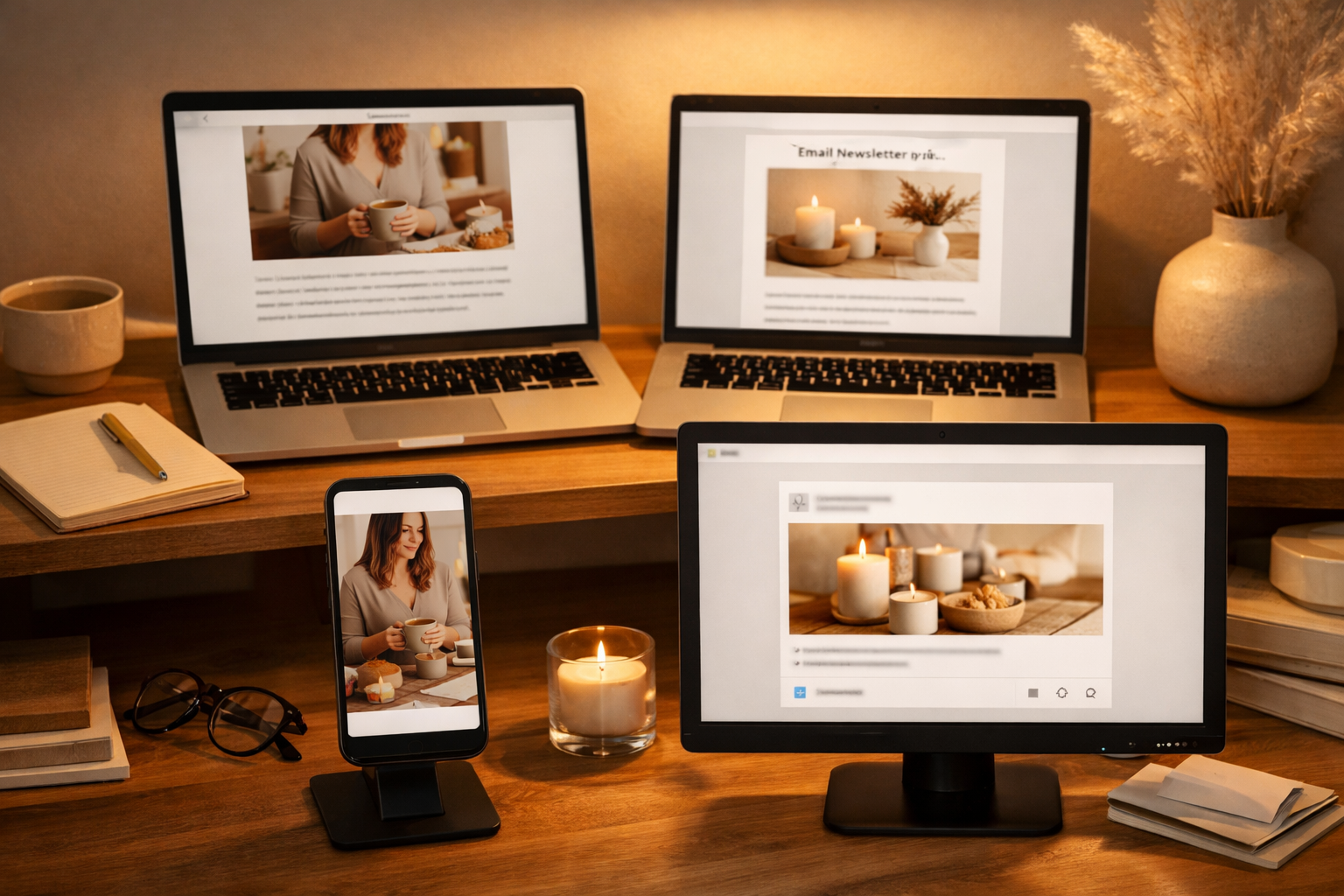
A content engine works differently. You create one core piece of content and it feeds everything else. The blog post becomes the social post. The social post becomes the GBP update. The email links back to both. Everything connects. Nothing starts from scratch.
Here is how to build that system for a small service business without a marketing team.
The Four Channels That Matter for Local Service Businesses
Not all content channels are equal for a contractor, cleaning company, law firm, or restaurant. Here are the four that actually move the needle for local businesses and why.
Blog / Website Content
Your website content is the only content you own. Social platforms change their algorithms. Email providers change their rules. Google can update its local ranking formula. But a well-written service page or blog post on your own domain compounds over time.
Blog posts targeting questions your customers actually search for bring in organic traffic for months or years. A plumber who has a blog post titled "Why Does My Water Heater Make a Popping Noise?" will keep getting found for that search long after the post was written. The work pays off repeatedly.
Google Business Profile
For local businesses, Google Business Profile is the most underused channel there is. When someone searches for "electrician near me" or "best HVAC company in [city]," your GBP listing is often the first thing they see before your website.
Regular GBP posts, updated photos, and detailed service descriptions tell Google that your business is active and relevant. The Google Business Profile Content System is built to feed this channel consistently without requiring you to create new content from scratch every week.
Email has a higher conversion rate than any social platform for most service businesses. The people on your list already know you. They have either been customers or raised their hand to hear from you.
A monthly or biweekly email keeps you present in their inbox. When they need your service again or know someone who does, you are top of mind. This is not about promotional blasts. It is about staying in the relationship.
Social Media (One or Two Platforms)
Social media is worth doing, but trying to be everywhere is how small business owners burn out on content. Pick the one or two platforms where your actual customers spend time.
For a contractor: Instagram and Facebook. For a B2B bookkeeper: LinkedIn. For a restaurant: Instagram and Google. For a personal injury attorney: Facebook and YouTube. Depth on one platform beats thin presence on six.
How a Content Engine Connects These Channels
The core idea is simple: one piece of content, multiple outputs.
Start with a topic. Let's say you run an interior painting company and your topic is "how long does it take to paint a room."
Here is what that one topic produces:
Blog post (website). A 600-word post answering the question specifically. Room size, prep work, coats required, drying time. Maybe a quick chart. This is the anchor piece that lives on your site and gets indexed by Google. GBP post. A shorter version, 150 to 250 words, with a photo of a completed room. Posted directly to your Google Business Profile with a link to the full blog post. Social post. The most quotable or surprising point from the blog post becomes a caption. "A 12x12 bedroom with two coats takes about 4 to 6 hours not counting dry time. Here is what adds time that most customers do not expect." Two images of a before and after. That is an Instagram post. Email. Your newsletter this month includes a short version of the question answer. "We get asked this a lot, so here is the honest breakdown." Link to the full post.Four pieces of content. One topic. The whole thing took you maybe an hour total instead of four separate sessions staring at blank screens.
The AI Content Engine is designed around this exact workflow. You provide the core information, and the system helps you produce the blog draft, the social copy, and the GBP post from the same input.
The Minimum Viable Schedule
You do not need to post daily to make this work. Here is a realistic content schedule for a one or two-person service business:
- One blog post per month. Targeting a specific customer question or service keyword.
- Two GBP posts per month. One from the blog post topic, one from a recent job or seasonal angle.
- Four social posts per month. One per week is enough to stay active without dominating your schedule.
- One email per month. A short roundup with the blog post, one useful tip, and any current offers.
What Breaks the System
A few things cause content engines to stall.
Waiting until you have time. There is never a week when running a business leaves you free time. Content has to be scheduled, not squeezed in. Trying to write from scratch every time. Using a repeatable format for each piece removes the blank screen problem. You are filling in a structure, not inventing one. Treating every platform differently. The same core topic can power all four channels. You do not need four different content ideas. You need one good one and a process to route it correctly. Stopping when it does not work immediately. Content compounds. The first three months feel like shouting into a void. Month six, you start seeing the GBP visits climb. Month twelve, the blog posts are pulling consistent organic traffic. Most businesses quit before the payoff.The Business Case for Doing This
If your business is not appearing in searches for the services you offer or if you are not staying in front of past customers, those are real revenue gaps.
The Missed Lead Cost Calculator puts a number on what low visibility costs per month. For most local service businesses, even one additional booked job per month from better content more than covers the time investment.
The system is not complicated. A topic, four formats, one hour of production per format. That is a content engine that fits a real small business.
Sound familiar? Book the $500 AI Workflow Audit to map your current lead and admin process and identify the first workflows worth automating.